
When we think of Zambia, it’s often landscapes and wildlife that first spring to mind. And yet… Behind its sumptuous parks and spectacular waterfalls lies a fascinating wealth of culture and traditions, still largely unknown.
Zambia is home to over 70 ethnic groups, all living together in remarkable harmony, each with their own languages, traditions, skills and celebrations. It’s a country where cultural identity isn’t something you read about in museums, but something you experience on a daily basis.
Here’s a glimpse of what you can discover in the heart of this vibrant and lively culture.

Zambia’s peoples: diversity and cohabitation
Zambia is a veritable cultural patchwork. Among the best-known groups are :
- The Bemba (in the north): one of the largest groups in terms of numbers. Their language is widely spoken, even outside their native region.
- The Tonga (in the south): breeders and farmers, proud of their oral traditions and structured social system.
- The Lozi (west): famous for their royal hierarchy and impressive Kuomboka festival.
But the mosaic is not static. The peaceful cohabitation of Zambian peoples is a model of tolerance, often cited as an example in the region.

Craftsmanship with meaning
Zambian culture is also expressed through ancestral craftsmanship handed down from generation to generation.
- Textiles and weavings: the famous chitenge (colored loincloth) are part of everyday life. They are worn, transformed and given as gifts.
- Woodcarving: often linked to traditional beliefs, it depicts animals, spirits or scenes of life.
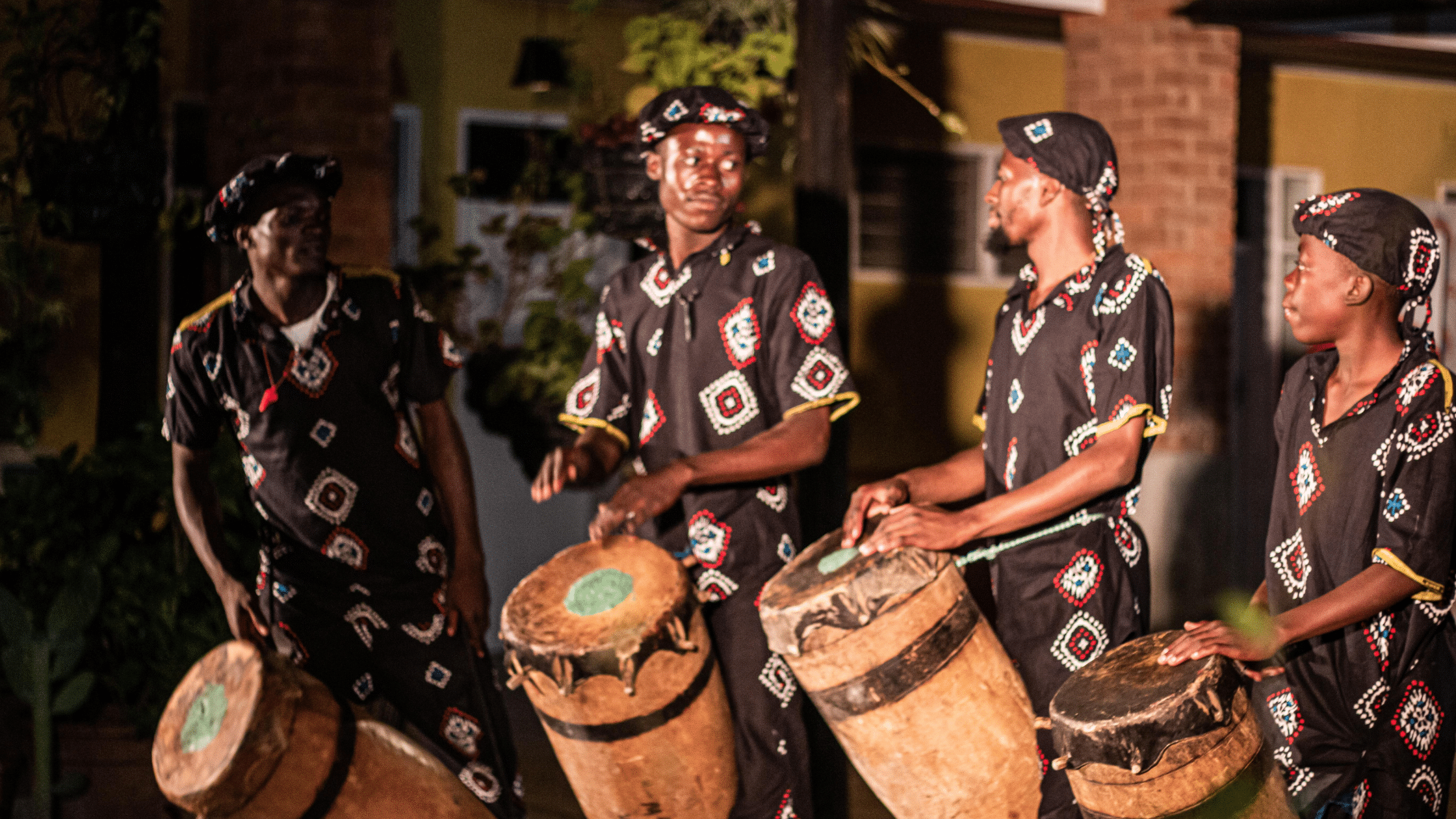
- Music and instruments: the sound of the drum (particularly the ngoma) sets the rhythm for festivals and ritual ceremonies alike.
Art is not a sideline here; it’s a language in its own right, used to convey stories, honor ancestors or express a group’s identity.
Festivals that bring the country to life
Every year, Zambia comes alive with impressive traditional festivals, attracting both locals and curious visitors from abroad.
Here are a few examples not to be missed:
- Kuomboka (Lozi): an impressive water parade marking the transhumance of the king of the Lozi people when the waters rose.
- Nc’wala (Ngoni): an early harvest celebration featuring war dances, offerings and the chief’s speech.
- Likumbi Lya Mize (Luvale): a spectacular masked festival, listed as a UNESCO intangible heritage site.
These events are much more than just shows: they are moments of collective pride, where tradition, spirituality and identity come together.

Amazing anecdote: King Lozi’s royal boat
During the Kuomboka festival, King Lozi travels in a huge black-and-white boat adorned with a giant elephant! This boat, named Nalikwanda, is pulled by a hundred rowers in traditional dress, and accompanied by a royal drum orchestra.
It’s an incredible scene to experience if you’re in Zambia at the right time (usually between March and April, depending on the rains).
Why is this important when travelling?
Discovering a culture isn’t just about admiring a landscape or tasting a typical dish. It’s also about listening to stories, observing gestures and feeling the energy of a people.
In Zambia, you won’t just be a spectator. You’ll be invited to understand, to dialogue, to be surprised.
So, which of these festivals would you like to experience? Or which local craft intrigues you most?
Let us know in the comments or when you’re planning your trip, and we’ll be happy to point you in the right direction!

